The Complete Guide to Zinc Ingots: Properties, Production, and Global Market Analysis
Introduction to Zinc Ingots
Zinc ingots represent one of the most versatile and widely used non-ferrous metals in modern industry. With a global market valued at over $40 billion, zinc plays a critical role in numerous applications from construction to consumer electronics. This comprehensive guide explores every aspect of zinc ingots, including their manufacturing process, key properties, diverse applications, and current market trends.
Keyword: Zinc ingot
What Exactly Are Zinc Ingots?
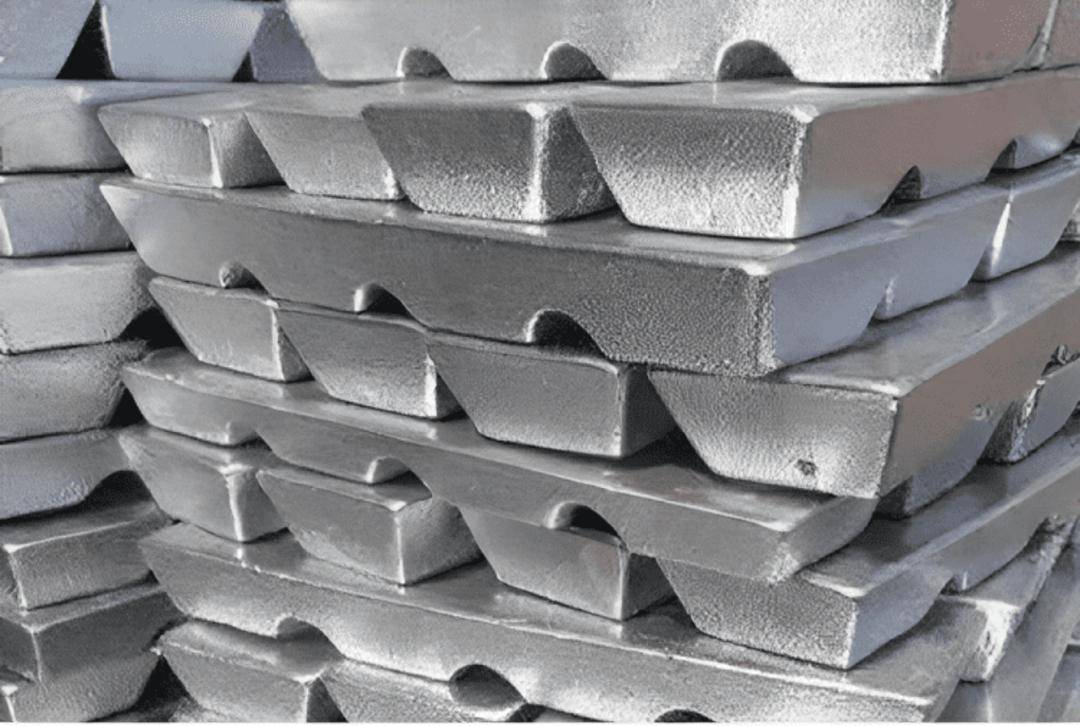
Zinc ingots are high-purity (typically 99.995% or higher) blocks of refined zinc metal produced through sophisticated smelting processes. These standardized metal blocks serve as the fundamental raw material for countless industrial applications. The most common ingot sizes include:
-
25kg slabs (standard trading unit)
-
1-ton jumbo blocks (for large-scale industrial use)
-
Special-shaped ingots for specific applications
Key Characteristics of Zinc Ingots
-
Exceptional corrosion resistance due to natural oxide layer formation
-
High ductility (can be drawn into wires or rolled into sheets)
-
Relatively low melting point (419.5°C or 787.1°F)
-
Excellent alloying properties with other metals
-
Good electrical conductivity (about 28% that of copper)
The Zinc Ingot Production Process: From Ore to Finished Product
Stage 1: Mining and Concentration
The journey begins with zinc ore extraction, primarily from:
-
Sphalerite (zinc sulfide)
-
Smithsonite (zinc carbonate)
-
Hemimorphite (zinc silicate)
Modern mines extract zinc ore through both open-pit and underground operations. After extraction, the ore undergoes:
-
Crushing and grinding
-
Froth flotation concentration (increasing zinc content from 5-15% to 50-60%)
-
Dewatering to produce zinc concentrate
Stage 2: Roasting Process
The zinc concentrate then undergoes roasting at 900-1000°C to:
-
Convert zinc sulfide to zinc oxide
-
Remove sulfur as sulfur dioxide (often captured for sulfuric acid production)
-
Eliminate other volatile impurities
Stage 3: Refining Methods
Two primary methods dominate zinc production:
1. Electrolytic Process (80% of global production)
-
Leaching with sulfuric acid
-
Purification through cementation
-
Electrowinning to produce SHG (Special High Grade) zinc (99.995% pure)
2. Imperial Smelting Process
-
Uses blast furnace technology
-
Produces both zinc and lead simultaneously
-
Typically yields lower purity zinc (98-99.5%)
Stage 4: Casting and Quality Control
The final molten zinc undergoes:
-
Precise temperature control
-
Alloying (when required)
-
Continuous casting into standardized ingots
-
Rigorous quality testing (spectral analysis, dimensional checks)
Comprehensive Applications of Zinc Ingots
1. Galvanizing Industry (55% of total consumption)
-
Hot-dip galvanizing of steel structures
-
Continuous sheet galvanizing
-
Electrogalvanizing processes
2. Alloy Production (25% of consumption)
-
Zamak alloys (zinc-aluminum-copper) for die casting
-
Brass production (copper-zinc alloys)
-
Nickel silver alloys
-
Soldering alloys
3. Chemical Compounds (12% of use)
-
Zinc oxide (rubber, paints, pharmaceuticals)
-
Zinc sulfate (agriculture, animal feed)
-
Zinc chloride (wood preservatives, batteries)
4. Other Significant Applications
-
Architectural applications (roofing, gutters)
-
Electrical components (battery casings, fuse elements)
-
Mechanical engineering (bearings, bushings)
Global Zinc Ingot Market Dynamics (2024 Analysis)
Current Market Overview
-
Global production: ~13.5 million metric tons annually
-
Consumption growth rate: 2.3% CAGR (2020-2024)
-
Price range: $2,400-$2,800/ton (LME)
Key Market Drivers
-
Construction boom in developing economies
-
Automotive industry recovery post-pandemic
-
Renewable energy infrastructure development
-
Packaging industry innovations
Regional Production Analysis
| Region | Production Share | Key Producers |
|---|---|---|
| Asia | 58% | China, India, South Korea |
| Americas | 22% | Peru, USA, Canada |
| Europe | 15% | Belgium, Finland, Spain |
| Others | 5% | Australia, Kazakhstan |
Price Influencing Factors
-
Energy costs (particularly electricity for electrolytic process)
-
Chinese industrial policies and stock levels
-
Global steel production trends
-
USD exchange rate fluctuations
-
Environmental regulations impacting smelting operations
Quality Standards and Specifications
International Standards
-
ASTM B6: Standard specification for zinc
-
EN 1179: Zinc and zinc alloys for casting
-
JIS H 2107: Japanese ingot zinc standards
-
GB/T 470: Chinese national standard
Common Grades
-
Special High Grade (SHG): 99.995% Zn min
-
High Grade (HG): 99.95% Zn min
-
Prime Western (PW): 99.5% Zn min
Future Outlook and Emerging Trends
Technological Advancements
-
Development of more energy-efficient smelting processes
-
Improved recycling technologies
-
Advanced zinc-air battery systems
Sustainability Initiatives
-
Increased focus on closed-loop recycling (current recycling rate ~80%)
-
Lower-carbon production methods
-
Water conservation in processing plants
Market Projections (2025-2030)
-
Expected CAGR: 3.1%
-
Growing demand from electric vehicle sector
-
Potential supply constraints due to depleting ore grades
Conclusion: The Strategic Importance of Zinc Ingots
Zinc ingots remain indispensable to modern industrial civilization, with their unique combination of properties ensuring continued demand across multiple sectors. As global infrastructure develops and new technologies emerge, the zinc industry continues to evolve, presenting both challenges and opportunities for producers, traders, and end-users alike.
For businesses relying on zinc ingots, maintaining awareness of market trends, quality standards, and technological developments will be crucial for maintaining competitive advantage in the coming years.