Zinc Ingot: Production, Applications, and Global Market Insights
Introduction
Zinc ingot is a fundamental industrial metal with widespread applications in galvanization, alloys, and more. As a key material in construction, automotive, and electronics industries, understanding its production process, uses, and market trends is crucial for manufacturers, traders, and investors.
Keyword: Zinc ingot
What Is a Zinc Ingot?
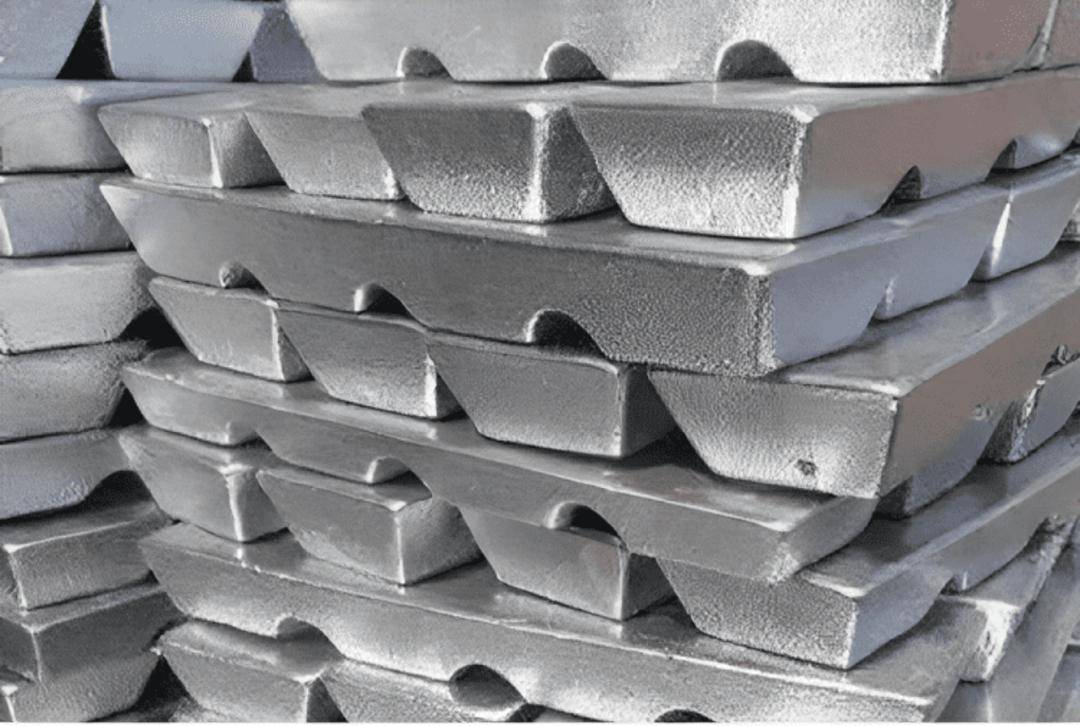
A zinc ingot is a high-purity (99.995% or higher) block of zinc metal produced through smelting and refining processes. It serves as a raw material for manufacturing galvanized steel, zinc alloys, and other industrial products.
Key Properties of Zinc Ingots
-
Corrosion resistance (forms protective zinc oxide layer)
-
High ductility and malleability
-
Good electrical conductivity
-
Low melting point (419.5°C)
How Are Zinc Ingots Produced?
The production of zinc ingots involves several key stages:
1. Mining and Concentration
-
Zinc ore (sphalerite, zinc blende) is extracted from mines.
-
The ore is crushed and concentrated via froth flotation to produce zinc concentrate (50-60% Zn).
2. Roasting
-
Zinc concentrate is roasted to remove sulfur, producing zinc oxide (ZnO) and sulfur dioxide (SO₂).
3. Smelting (Pyrometallurgical or Hydrometallurgical)
-
Imperial Smelting Process (ISP): Uses blast furnaces to produce zinc and lead.
-
Electrolytic Process (Most Common): Zinc oxide is leached with sulfuric acid, then purified and electrolyzed to produce 99.995% pure zinc.
4. Casting into Ingots
-
Molten zinc is cast into standardized ingots (typically 25 kg slabs or 1-ton jumbos).
Applications of Zinc Ingots
Zinc ingots are essential in multiple industries:
1. Galvanization (Corrosion Protection)
-
Hot-dip galvanizing of steel structures, automotive parts, and pipelines.
2. Zinc Alloys
-
Die-casting alloys (e.g., Zamak for automotive components).
-
Brass and bronze production (copper-zinc alloys).
3. Chemicals & Batteries
-
Zinc oxide (used in rubber, paints, and sunscreen).
-
Zinc-carbon and alkaline batteries.
4. Construction & Infrastructure
-
Roofing materials (zinc sheets).
-
Guardrails and streetlight poles.
Zinc Ingot Market Trends (2024)
1. Global Demand Drivers
-
Construction boom in Asia-Pacific (China, India).
-
Automotive industry growth (galvanized steel for EVs).
2. Price Trends
-
LME Zinc Price (2024): ~$2,400–$2,800 per metric ton.
-
Influenced by energy costs, supply chain stability, and China’s industrial output.
3. Major Producers & Exporters
-
China (largest producer, ~35% of global supply).
-
Peru, Australia, India, and Canada.
4. Sustainability & Recycling
-
30% of zinc supply comes from recycled sources.
-
Zinc is 100% recyclable without quality loss.
Conclusion
Zinc ingots play a vital role in modern industries, from construction to renewable energy. With increasing demand for galvanized steel and zinc-based alloys, the market remains dynamic. Businesses should monitor LME prices, trade policies, and recycling innovations for strategic decisions.
For reliable zinc ingot suppliers, look for LME-certified manufacturers with consistent quality standards.